About Us
The argument in favor of using filler text goes something like this: If you use real content in the Consulting Process, anytime you reach a review point you’ll end up reviewing and negotiating the content itself and not the design.
Military Aircraft Spare Parts: Compliant Sourcing for F-7, F-16, Kfir, Hawk and C-130 Operators
Military Aircraft Spare Parts: Compliant Sourcing for F-7, F-16, Kfir, Hawk and C-130 Operators
Military Aircraft Spare Parts: Compliant Sourcing for F-7, F-16, Kfir, Hawk and C-130 Operators
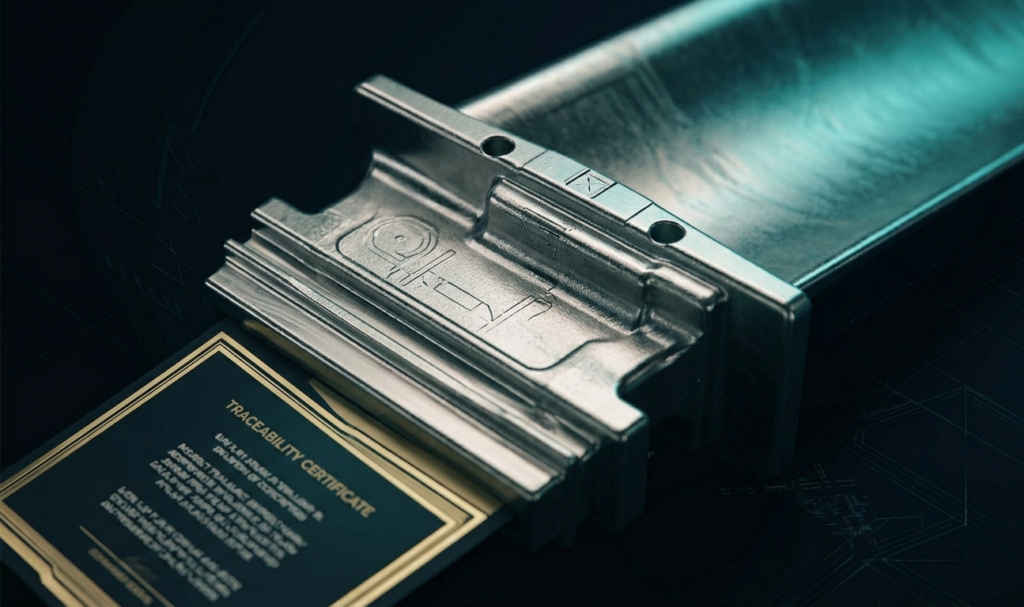
Counterfeit aircraft components are a documented cause of accidents across global military aviation. At the same time, dependence on a single parts supplier creates operational vulnerability when political relationships shift. This blog explains how operators can build compliant and resilient supply chains for the platforms covered in this series.
The Counterfeit Parts Problem
Counterfeit aircraft components are a well-documented problem across global aviation supply chains. For military aviation in particular, the risk is concentrated in fleets operating platforms with ageing, discontinued, or geopolitically complicated parts supply chains. When a budget-constrained procurement officer faces a choice between a genuine OEM-certified component and a cheaper alternative from an unverified broker, institutional budget pressure often drives the wrong decision. The consequences can be fatal, and they are not always immediately traceable to the procurement decision that caused them.
The 2025 crash of an F-7 family aircraft in a densely populated area is a reminder of what happens when aging platforms are not properly supported. Airworthiness is not just about the airframe’s age. It is about the quality and traceability of every component installed on the aircraft throughout its service life. The right answer is never to buy the cheap part. The right answer is a structured supply chain that sources genuine parts compliantly at the best available price.
Platform-Specific Supply Chain Overview
| Platform | Primary Parts Risk | Compliant Source Options | Nortrane Approach |
|---|---|---|---|
| Kfir C2/C7 | J79-GE engine components, hydraulic actuators, early avionics LRUs | IAI as upgrade OEM, GE licensed vendors, Israeli and US surplus | IAI partner channel, EDA-eligible US surplus |
| F-7BG/MB | WP-13 engine parts, instruments increasingly obsolete | HAIG/CATIC limited supply, verified Asian surplus stocks | Verified surplus with full traceability documentation |
| K-8W | TFE731 engine support, avionics, training systems | Honeywell for engine, HAIG for airframe | Honeywell direct, HAIG authorised distribution |
| F-16 Block 15 | F100-PW-220 engine, APG-66 radar LRUs, ITAR-controlled parts | Lockheed Martin and Pratt and Whitney through FMS or DCS, allied surplus | FMS case advisory, DCS export licensing, compliant surplus |
| Hawk 100/200 | Adour engine Rolls-Royce, BAE Systems airframe parts | Rolls-Royce direct, BAE Systems MRO chain | UK MRO channel and authorised surplus |
| C-130H | T56-A-15 engine components, hydraulic actuators, avionics LRUs | Honeywell T56 supply chain, Lockheed Martin authorised vendors | Honeywell authorised network, certified surplus |
| AH-1F Cobra | T53-L-703 engine, M65 sight system, rotor blade sets | Bell licensed vendors, L3Harris, US surplus | Certified US surplus, licensed repair stations |
| UH-60A/L | T700-GE-700 engine, older analogue avionics, rotor systems | Sikorsky/Lockheed Martin authorised, GE Aviation direct | OEM authorised channel, compliant FMS surplus |
ITAR and EAR: What Every Procurement Officer Must Understand
United States-origin aircraft, components, and technical data are controlled under the International Traffic in Arms Regulations and the Export Administration Regulations. This applies to the F-16, C-130, AH-1, and UH-60, along with every spare part, every avionics component, and every software update for each of them. This control applies regardless of where the part is physically purchased. A F100 engine component purchased from a surplus dealer in Europe is still subject to US export control law. Procuring it without proper export authorisation puts the air force and any intermediary at legal risk and can result in loss of future US military assistance program eligibility.
Nortrane helps operators establish compliant procurement pathways for US-origin parts. This includes advising on Foreign Military Sales case administration for government-to-government procurement, Direct Commercial Sales export licensing for commercial procurement from US vendors, and surplus procurement through DLA Disposition Services channels that provide certified surplus parts with proper export documentation.
The Single-Source Trap
Every platform in this series creates a degree of single-source dependency. The Kfir upgrade is being delivered by IAI. The F-16 supply chain runs through US government-approved vendors. The K-8W supply chain runs through Chinese OEMs. When the political relationship with the supplier changes, an air force that has built all of its parts sourcing around a single national origin faces serious operational disruption. The solution is not to avoid any particular supplier. It is to map the dependency clearly, understand where alternatives exist, and build relationships with qualified alternative sources before an emergency creates the need. Nortrane provides this dependency mapping and alternative source qualification as a standard element of procurement advisory work.
“A counterfeit or improperly sourced airframe component does not fail in the depot. It fails in flight. The cost of proper compliant procurement is never as high as the cost of a counterfeit-related incident.”
