


About Us
The argument in favor of using filler text goes something like this: If you use real content in the Consulting Process, anytime you reach a review point you’ll end up reviewing and negotiating the content itself and not the design.
F-16 Block 15 eMLU: What the Upgrade Delivers and What Operators Need to Know
F-16 Block 15 eMLU: What the Upgrade Delivers and What Operators Need to Know
F-16 Block 15 eMLU: What the Upgrade Delivers and What Operators Need to Know
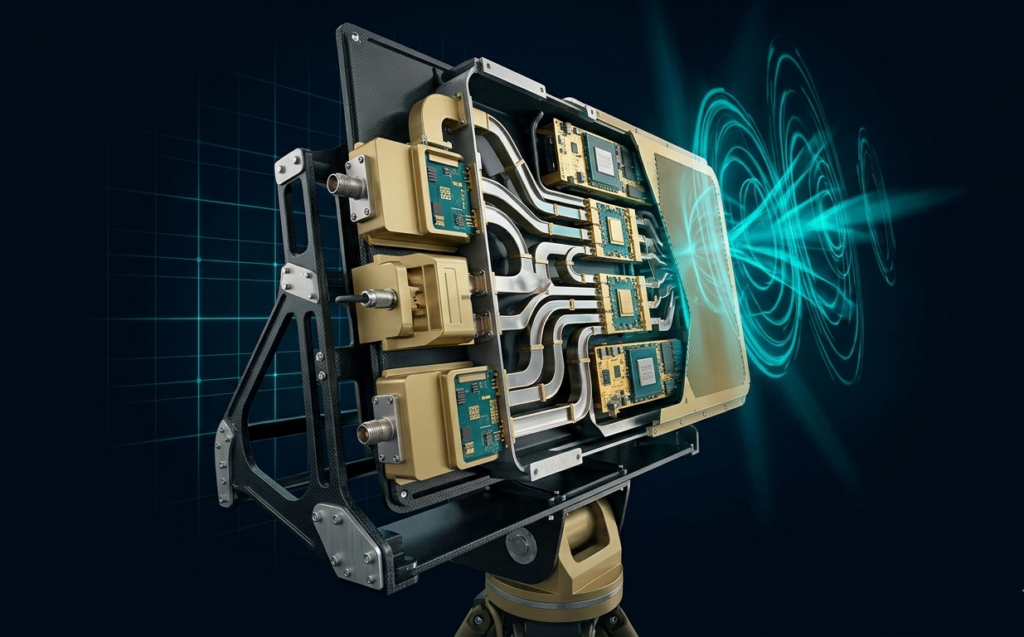
The F-16 Block 15 is the most widely operated F-16 variant globally. Air forces that acquired these aircraft in the 1980s and 1990s are now facing a clear capability gap between their original Block 15 configuration and the demands of modern airspace. The Enhanced Mid-Life Update closes that gap. This blog explains the upgrade technically and advises on procurement.
The Block 15: Still Flying, Not Yet Done
The F-16 Block 15 entered service in the early 1980s as one of the most advanced lightweight fighters available for export. Decades later, dozens of air forces still operate it as their primary combat type. The airframe remains structurally capable of extended service. The avionics, however, are a different matter. The APG-66 pulse-Doppler radar that the Block 15 carries was state-of-the-art in its time. Against modern threats and adversaries equipped with capable sensors and beyond-visual-range weapons, it creates operational constraints that affect mission planning across every role the aircraft performs.
The Enhanced Mid-Life Update program exists specifically to address this gap. It is not a new aircraft. It is a structured avionics modernization that brings the Block 15 to a standard reflecting current operational requirements.
What the eMLU Installs
The core of the eMLU is the replacement of the APG-66 radar with the APG-68 variant 9, a significantly more capable set providing improved detection range, better electronic counter-countermeasure resistance, and the ability to track multiple targets simultaneously in a way the original radar cannot manage. Alongside the radar upgrade, the program installs a new mission computer, an upgraded avionics bus that supports modern weapons and sensors, Link-16 tactical data link capability for integration with other platforms and ground stations, and a weapons interface that allows the aircraft to carry and employ current precision-guided munitions. The result is an aircraft whose mission systems reflect the operational environment of 2026 rather than 1985.

The Multi-Type Fleet Management Challenge
Many Block 15 operators also fly other types simultaneously. British Hawks, Korean T-50s, Brazilian Super Tucanos, and other platforms each bring their own supply chain, their own training requirements, and their own avionics architecture. Operating multiple types creates a logistics burden that grows with each additional type in the fleet. The eMLU is an opportunity to consolidate part of this burden. Once the Block 15 is on the eMLU avionics standard, its mission systems, data links, and weapons compatibility are broadly aligned with modern allied platforms, and that interoperability has genuine operational value.
Structuring Remaining eMLU Work Competitively
Air forces that have begun their eMLU program but have not yet upgraded all Block 15 airframes face a procurement decision about how to structure the remaining work. The default path is to continue with the original vendor on sole-source terms. The alternative is a competitive tender for the remaining aircraft. Competitive tendering introduces price discipline and creates an opportunity to respecify elements that experience with the first batch revealed as suboptimal. Nortrane advises on competitive tender structuring for exactly this type of mid-program procurement decision.
ITAR and the F-16 Parts Supply Chain
Every component of the F-16 and its upgrade program falls under US export control law. The International Traffic in Arms Regulations require an export license for every part, every avionics component, and every software update, regardless of where it is physically purchased or who the intermediary is. Air forces that source F-16 parts through grey market channels without proper export authorization are accepting legal risk and jeopardizing eligibility for future US military assistance programs. Nortrane helps operators establish and navigate compliant procurement pathways for F-16 parts and eMLU components through Foreign Military Sales, Direct Commercial Sales, and certified surplus channels.
“The eMLU is not optional for serious Block 15 operators. An F-16 flying in its original 1980s configuration in 2026 is a capable airframe attached to a mission system that was not designed for the threat environment it faces.”
