
About Us
The argument in favor of using filler text goes something like this: If you use real content in the Consulting Process, anytime you reach a review point you’ll end up reviewing and negotiating the content itself and not the design.
Kfir C2 and C7: Avionics Upgrade and Life Extension for Current Operators
Kfir C2 and C7: Avionics Upgrade and Life Extension for Current Operators
Kfir C2 and C7: Avionics Upgrade and Life Extension for Current Operators
The IAI Kfir is a proven delta-wing canard fighter still in active service today. For operators holding C2 and C7 airframes, a structured avionics upgrade delivers decades of additional operational life at a fraction of replacement cost. This blog explains what the upgrade involves and how Nortrane supports operators through the process.
A Proven Airframe With a Modern Future
The IAI Kfir entered service in the 1970s and remains operational with several air forces today. Its delta-wing canard layout, designed around the General Electric J79 engine, gives it performance well suited to air defence missions. The airframe is structurally sound in properly managed examples. The challenge for current operators is not the airframe. It is the avionics.
The original Kfir cockpit is an analogue environment that dates from the aircraft’s production era. The instruments, navigation systems, and communications equipment do not reflect current operational standards. A Kfir flying with its original avionics places a significantly higher workload on its pilot than a modern platform and limits the weapons and sensors the aircraft can carry, because modern munitions and targeting systems require digital interfaces that the original analogue suite cannot support.
What a Modern Avionics Upgrade Delivers
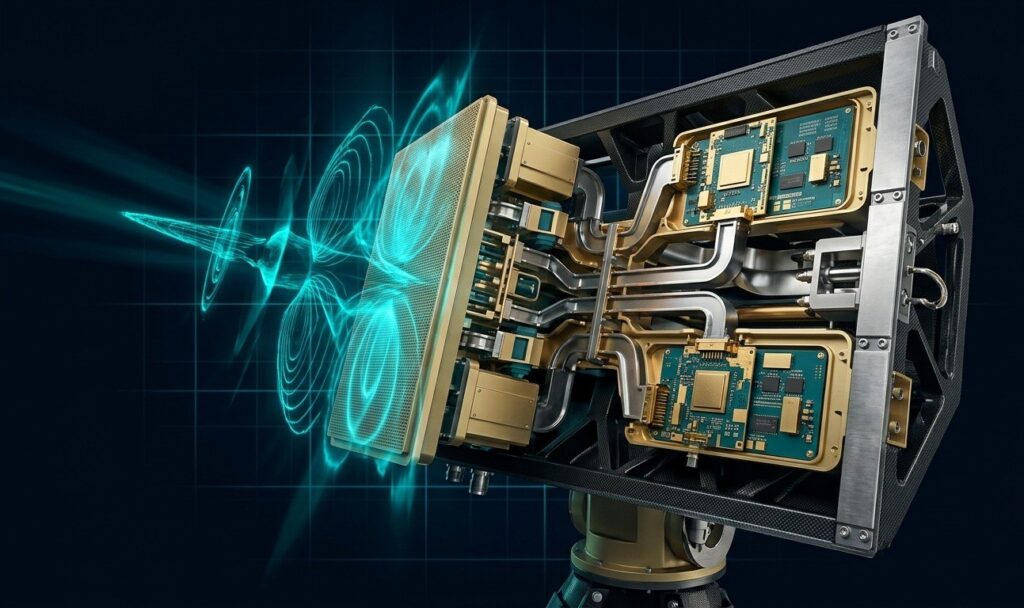
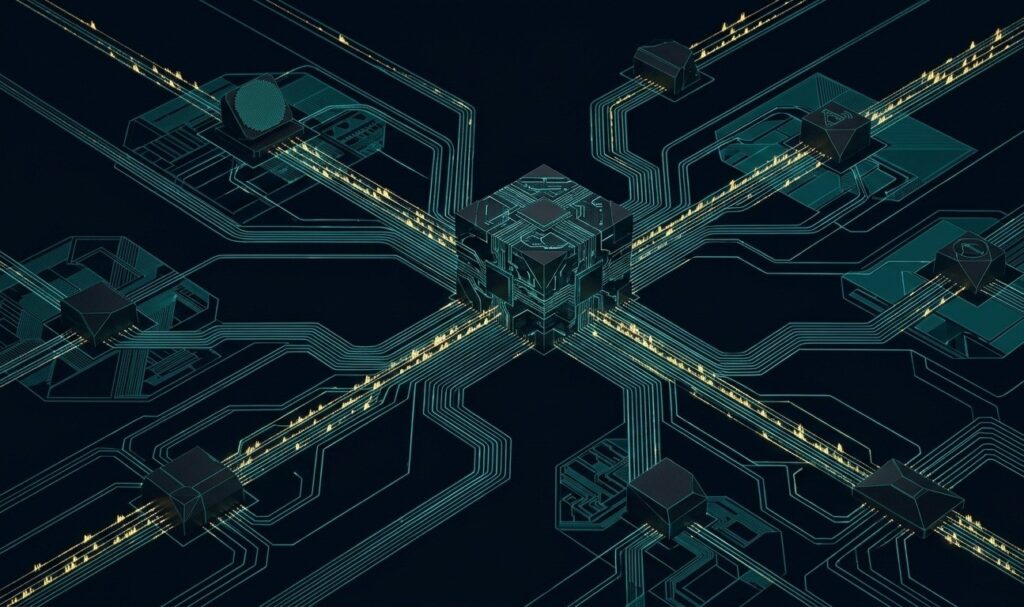
IAI has developed and proven an upgrade package that replaces the basic avionics suite entirely with a modern 4-plus generation digital architecture. The core elements are a new mission computer that forms the digital backbone of the upgraded aircraft, a modern navigation system combining inertial and GPS inputs, updated communications including encrypted digital voice and data, new cockpit displays that reduce pilot workload, and integration provisions that allow advanced radar and sensors to be added subsequently. New helmet systems for the pilots are also included in the program.
The practical result is an aircraft that can carry and employ modern weapons, communicate securely with other platforms and ground stations, and be flown with significantly lower crew workload than the original configuration permits. IAI has completed this program for multiple operators and documented the result as equivalent to a 4.5-generation avionics standard. The program includes technology transfer, training air force technical personnel to maintain the upgraded systems locally rather than depending on the vendor for routine support throughout the aircraft’s remaining service life.
Service Life Extension: What It Means in Practice
A properly executed avionics upgrade of this type extends the Kfir’s operational service life by fifteen years or six thousand flight hours from the date of completion. For an operator flying at modest annual sortie rates, this represents well over a decade of continued operational service from an airframe that is already paid for, trained on, and integrated into the air force’s operational procedures. The capital commitment, the training disruption, the infrastructure investment, and the logistics tail of introducing a new type all represent costs that the upgrade path avoids entirely.
Managing the Transition from the F-7 to the Kfir
Several operators flying both Kfir and F-7 airframes use the F-7 for continuous air defence duties while Kfir aircraft are in the upgrade program. When the F-7 fleet reaches its retirement date and the Kfir airframes are not yet returned, a capability gap opens. The practical solution is to maintain the F-7 fleet in airworthy condition through the transition window using properly sourced spare parts, while pressing for the Kfir upgrade program to meet its delivery milestones. Nortrane sources F-7 WP-13 engine components and airframe parts through verified supply chains to support exactly this bridging requirement.
How Nortrane Supports Kfir Upgrade Programs
Nortrane provides three services to Kfir operators. Before the upgrade contract is signed, we advise on contract structure, milestone definitions, liquidated damages provisions, and acceptance testing criteria that protect the operator if the vendor falls behind schedule. During the program, we provide independent technical oversight so the air force has its own expert assessment of progress. And alongside the upgrade program, we help operators source bridging parts for the F-7 or any other legacy type that must remain airworthy during the transition, qualifying suppliers and confirming compliant documentation.
“An avionics upgrade executed properly is not a compromise. It is a deliberate strategic choice to maintain a proven airframe with modern capability at manageable cost. The operators who do this well treat the upgrade contract with the same rigour they would apply to any major procurement.”
